Incident response swimlane
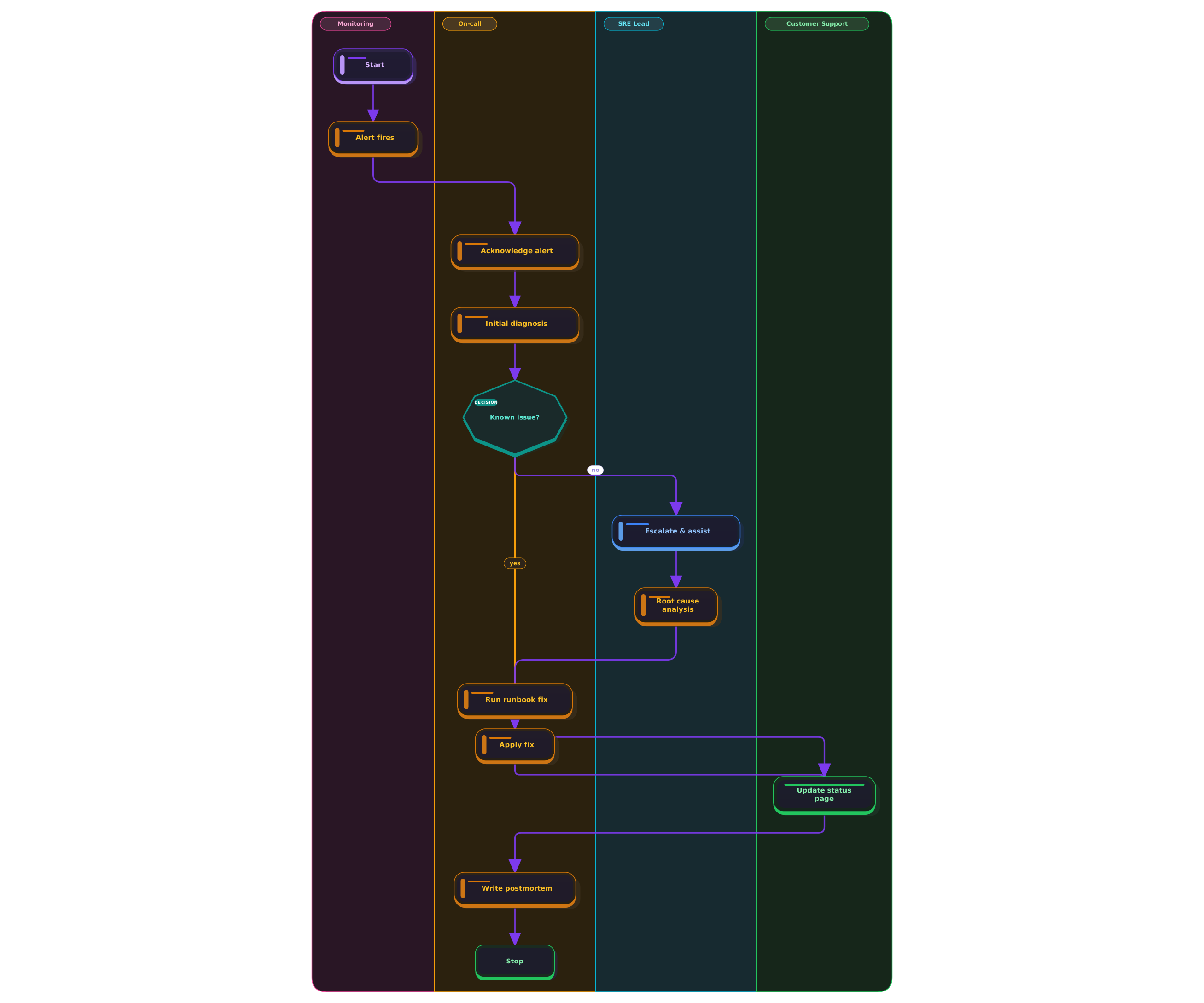
PlantUML swimlane runbook for an incident — monitoring fires, on-call diagnoses, SRE escalation, and customer comms close the loop.
What this diagram shows
Monitoring fires the alert; on-call ack and diagnosis happen in their own lane.
Unknown root causes pull in SRE Lead — known patterns stay on the on-call lane.
Customer Support always updates the status page so the loop ends with a public signal, not just a fix.
About swimlane diagrams
Swimlane diagrams split a process into vertical columns — one per team, system, or role — so handoffs between owners are visible at a glance. They are the natural fit for PRD user flows, approval chains, order fulfilment, and incident response runbooks where who-does-what matters as much as what-happens-next.
This template is written in PlantUML — plain text you can edit, version in git, and regenerate the image from any time.
View PlantUML sourcePlain-text diagram syntax — copy or edit directly.
1@startuml2|#FFB6C1|Monitoring|3start4:Alert fires;5|#FFE4B5|On-call|6:Acknowledge alert;7:Initial diagnosis;8if (Known issue?) then (yes)9 :Run runbook fix;10else (no)11 |#B0E0E6|SRE Lead|12 :Escalate & assist;13 :Root cause analysis;14 |On-call|15 :Apply fix;16endif17|#90EE90|Customer Support|18:Update status page;19|On-call|20:Write postmortem;21stop22@endumlRelated templates
More templates that cover similar workflows.